
Understanding the Value of Manual Trading
In the fast-paced world of trading, the allure of automated strategies is undeniable. With platforms like TradeGenius offering the promise of seamless, hands-off trading, it's tempting to relinquish all control to algorithms. However, there are critical moments when human insight and instinct can significantly enhance trading outcomes. Recognizing these moments is essential for any trader who aims to navigate the complexities of the market effectively.
The Importance of Human Intuition
While automation excels in executing predefined strategies without emotion, human traders bring a level of adaptability and intuition that machines lack. For instance, during periods of high volatility or unexpected market events, the ability to read the market's sentiment and react promptly can make a substantial difference. Traders can assess qualitative factors—such as news developments or geopolitical shifts—that may influence asset prices in ways that algorithms simply cannot.
Always evaluate the current market conditions before deciding on your trading approach. Sometimes, a hands-on strategy can capitalize on fleeting opportunities.
Identifying Key Market Conditions
Certain market conditions are inherently more favorable for manual trading. For example, during earnings season, stock reactions to reports can be unpredictable; thus, a trader's judgment can be invaluable. Similarly, in choppy or sideways markets where clear signals are scarce, the ability to pivot quickly can help you avoid losses that an automated system might incur due to its rigid adherence to predefined rules.
In trading, sometimes the best algorithm is human intuition.— Anonymous
Recognizing When Manual Trading Excels
While automated trading has revolutionized the financial landscape, there are specific scenarios where human intuition and decision-making prove invaluable. Understanding these instances is crucial for any trader aiming to navigate the complexities of the market effectively.
Market Volatility and Unpredictability
In times of heightened market volatility—such as major geopolitical events, economic announcements, or unexpected market shifts—human intuition can provide a competitive edge. Automated systems may struggle to adapt swiftly to sudden changes or interpret the nuances of market sentiment. A trader's ability to assess news impact and adjust strategies in real-time often leads to better decision-making.
- Geopolitical tensions affecting market stability
- Significant economic data releases
- Unexpected corporate earnings reports
Complex Decision-Making Scenarios
Certain trading scenarios require a level of complexity that automated systems may not navigate effectively. For example, when considering multiple indicators or conflicting signals, a trader can weigh these factors intuitively, making nuanced decisions that a machine may misinterpret. This is especially true in markets where human behavior heavily influences price movements.
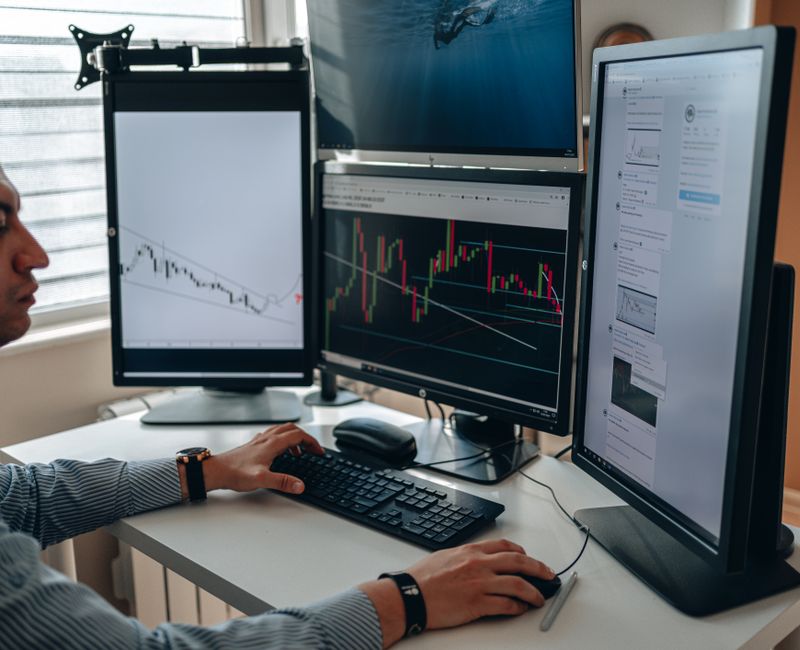
Ultimately, while automated trading platforms like TradeGenius offer efficiency and speed, recognizing the significance of human decision-making in certain market conditions remains essential for achieving optimal trading results.
The Value of Manual Trading in Dynamic Markets
While automated trading offers undeniable advantages, there are specific scenarios where human intuition and decision-making become paramount. Understanding these situations can enhance trading outcomes, especially when market conditions are volatile or unpredictable.
Market Conditions Favoring Manual Intervention
- High volatility periods, where rapid price movements require quick decision-making.
- Emerging news events that can significantly alter market sentiment and trends.
- Market anomalies or irregular patterns that algorithms may misinterpret.
- Situations where a trader's personal insights or experiences provide an edge over automated predictions.
For instance, during a sudden geopolitical event or economic announcement, the market may react in unexpected ways. A trader equipped with experience can evaluate the nuances of the situation—such as sentiment shifts or broader economic implications—better than an algorithm programmed on historical data alone.
Leveraging Human Intuition
Human intuition plays a critical role in trading, especially when it comes to interpreting market psychology. Traders can read between the lines of a news story, grasping nuances that might not be evident through data analysis alone. This capacity to interpret emotional responses can give manual traders a competitive advantage, especially in fast-moving markets.
In certain market conditions, the human touch can outshine even the best automated strategies.— Market Expert
In summary, while automated trading systems can streamline processes and execute trades efficiently, there are distinct market conditions and scenarios where manual trading can provide a critical edge. By recognizing these moments, traders can make more informed decisions that leverage their unique insights and experiences.
Understanding When Manual Trading Triumphs
While automated trading platforms like TradeGenius streamline the trading process, there are specific scenarios where human intuition and decision-making can outperform automated strategies. Recognizing these situations is crucial for traders seeking to maximize their potential.
Market Volatility and Rapid Changes
In highly volatile markets, rapid price fluctuations can occur within seconds. Automated systems may struggle to adapt quickly to such changes, potentially leading to unfavorable trades. Human traders can leverage their intuition and experience to make real-time decisions that account for sudden news events, economic shifts, or unexpected political developments.
Complex Market Dynamics
Some market conditions involve intricate dynamics that automated strategies may not fully grasp. For instance, trading in response to earnings reports, geopolitical tensions, or major economic announcements requires a nuanced understanding of the broader context. Manual traders can assess these factors holistically, making informed decisions that align with emerging trends.

Relying solely on automation can lead to missed opportunities. Always be ready to adapt your strategy based on market conditions.
Psychological Factors and Emotional Resilience
Trading is not just a numbers game; psychological factors play a significant role. Automated systems may not account for the emotional responses that come with trading decisions, such as fear or greed. Manual traders can harness their emotional resilience to make more rational choices during high-pressure situations, often leading to better outcomes.
- Market volatility
- Complex market dynamics
- Psychological factors
When Human Insight Trumps Automation
Market Volatility and Rapid Changes
In times of extreme market volatility, human intuition can often outperform automated systems. For example, during unexpected geopolitical events or financial crises, prices can swing wildly in a matter of minutes. Traders who can assess the situation quickly and react based on their experience and understanding of market sentiment may capitalize on opportunities that automated systems might miss due to rigid algorithms.
Understanding Market Sentiment
Human traders are often better at gauging market sentiment, which can be crucial for making timely decisions. For instance, during earnings season, a trader might notice subtle shifts in sentiment based on social media discussions or analyst reactions. Automated systems, which rely on historical data and predefined parameters, may not capture these nuances effectively.
- Identifying trends based on news cycles
- Adjusting strategies based on competitor actions
- Reacting to sudden regulatory changes
Complex Decision-Making Scenarios
There are scenarios where complex decision-making is critical. For instance, when considering multiple factors such as economic indicators, technical analysis, and market psychology, a human trader’s ability to synthesize this information can lead to more informed decisions. An experienced trader might evaluate whether a stock's recent dip is a buying opportunity or a signal to sell based on both quantitative data and qualitative insights.
In fast-paced markets, intuition and experience can be your greatest assets.— TradeGenius Expert
The Human Touch in Trading
While automated trading strategies provide significant advantages in speed and efficiency, there are scenarios where human intuition and decision-making prove invaluable. Certain market conditions and emotional factors can necessitate a manual approach, allowing traders to leverage their experience and insights.
Market Conditions Favoring Manual Intervention
Certain volatile or unpredictable market environments benefit from a hands-on approach. For example, during major economic announcements or geopolitical events, markets can react erratically. In these situations, a trader's ability to interpret news and gauge market sentiment can provide an edge that automated systems might miss.
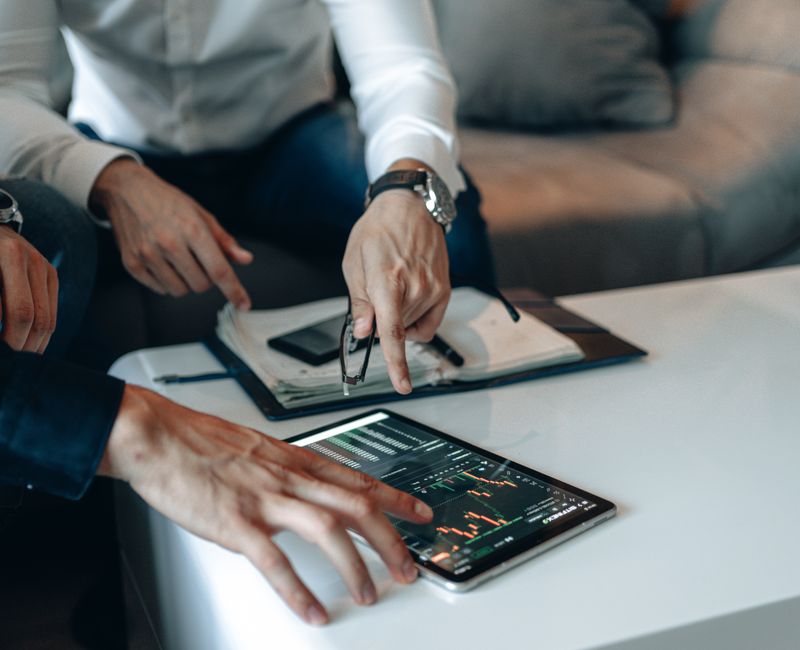
Moreover, during periods of rapid market shifts, such as a sudden market crash or surge, human traders can quickly adapt their strategies based on real-time analysis. Automated systems may be slow to respond to such changes, leading to missed opportunities or exacerbated losses.
The Role of Emotional Intelligence
Emotional intelligence also plays a critical role in trading. Experienced traders can recognize their own psychological biases and manage their reactions to market fluctuations. For instance, during a downturn, an automated system may continue to execute trades based on predefined parameters, potentially leading to further losses. In contrast, a trader with an understanding of their emotional state can decide to pause trading or adjust their strategy to mitigate risks.
Consider keeping your trading manual during high-stakes events or periods of unusual market behavior to better harness your instincts and insights.
The Power of Human Insight in Trading
In the world of trading, while automation offers speed and efficiency, there are moments when human intuition and decision-making can significantly outperform automated strategies. Market conditions are dynamic and often unpredictable; therefore, the best traders remain vigilant and adaptable, relying on their analytical skills and emotional intelligence to navigate uncertainty.
Certain scenarios call for a manual approach. For instance, during periods of high volatility, the ability to quickly assess news and market sentiment can lead to better trading decisions than any algorithm could provide. Similarly, when market anomalies arise, human traders can leverage their experience to capitalize on unique opportunities that automated systems may overlook.
Moreover, understanding the underlying fundamentals of assets—such as earnings reports or geopolitical events—can help traders make informed decisions that automated strategies may misinterpret or fail to adapt to. Thus, striking a balance between automated trading and manual intervention ensures that traders can exploit both the efficiency of technology and the nuanced understanding that only human insight can provide.
Balancing automation with human insight leads to optimal trading.
In conclusion, while automated trading systems like TradeGenius offer unparalleled convenience, there are circumstances where human intuition shines. By recognizing when to engage personally in trading decisions, you can enhance your success and navigate the complexities of the market more effectively.