
Understanding Backtesting in Trading
Backtesting is a critical aspect of modern trading strategies, serving as a bridge between theoretical market analysis and practical application. At its core, backtesting involves applying a trading strategy to historical data to evaluate its effectiveness. As financial markets evolve, traders must adapt their methods to remain competitive, making backtesting an essential tool for refining strategies before real-world implementation.
The significance of backtesting cannot be overstated; it allows traders to simulate various scenarios, providing insights into potential risks and rewards. By analyzing past performance, traders can identify trends, validate their hypotheses, and make informed decisions. However, traditional backtesting methods can be time-consuming and prone to human error, leading to inaccurate results.
This is where technology comes into play. Advanced algorithms and automated trading platforms enhance the backtesting process, ensuring speed and accuracy that were previously unattainable. As traders increasingly turn to technology, understanding how to leverage these tools for effective backtesting becomes crucial for success in today's fast-paced trading environment.
Understanding Backtesting in Trading
Backtesting is a crucial component of the trading process that allows traders to evaluate the effectiveness of their strategies before deploying them in live markets. Essentially, it involves applying a trading strategy to historical market data to see how it would have performed. This practice provides valuable insights into the potential profitability and risks associated with a strategy, enabling traders to make informed decisions.
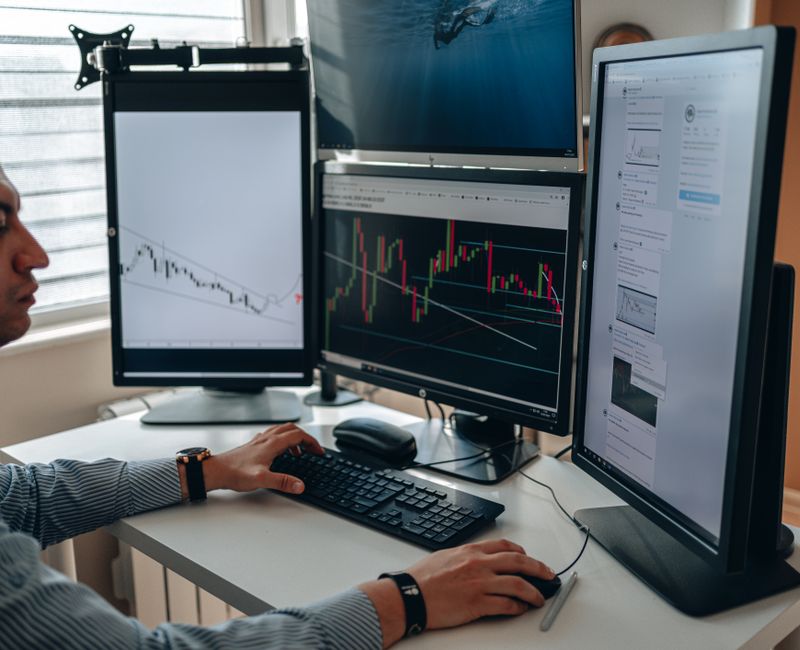
The significance of backtesting lies in its ability to simulate real market conditions without the financial risk. By analyzing past market movements, traders can identify patterns, refine their strategies, and enhance their understanding of market behavior. This process not only aids in strategy validation but also helps in risk management by determining the maximum drawdown and win-loss ratios.
The Role of Technology in Backtesting
With advancements in technology, backtesting has evolved from a manual, time-consuming process to a streamlined, efficient one. Automated systems can rapidly analyze vast amounts of data, allowing traders to test multiple strategies simultaneously. Additionally, sophisticated software tools provide a user-friendly interface for inputting strategies in plain English, eliminating the need for coding.
Technology transforms backtesting from a tedious task into an insightful experience.— TradeGenius
Furthermore, technology enhances the accuracy of backtesting results by minimizing human error and providing real-time data analytics. Traders can better adapt their strategies based on comprehensive data analysis, leading to improved trading performance.
Real-World Applications of Backtesting in Trading
Backtesting serves as a critical tool for traders looking to refine their strategies before deploying them in live markets. By simulating past market conditions, traders can evaluate the effectiveness of their strategies without risking actual capital.
Practical Use Cases
For instance, algorithmic traders often backtest their automated strategies against historical data to identify profitable patterns. A trader might develop a strategy based on specific indicators, such as moving averages or RSI, and then use backtesting to assess how that strategy would have performed over the last five years. This allows them to fine-tune parameters and minimize drawdowns before committing real funds.
Technology's Role in Enhancing Backtesting
Advancements in technology have significantly enhanced the backtesting process. Modern trading platforms, like TradeGenius, allow traders to input their strategies in natural language, making it easy to conduct thorough backtests without the need for programming expertise.
- Access to comprehensive historical data, providing a more robust testing environment.
- Real-time analytics that help in understanding strategy performance metrics, such as win rates and risk-reward ratios.
- Visual tools and dashboards for easy interpretation of results.
Backtesting not only verifies the effectiveness of a strategy but also builds the confidence needed for real trading.— Expert Trader
Avoiding Common Backtesting Missteps
Backtesting is a powerful tool in trading, but it comes with its own set of pitfalls. Understanding these can help traders maximize the benefits of automated strategies while minimizing losses.

Overfitting Your Strategy
One of the most common mistakes traders make is overfitting their trading strategies to historical data. While it may seem beneficial to tailor a strategy to past performance, this can lead to poor results in live trading. The strategy may perform well with historical data but fail to adapt to future market conditions.
Ignoring Market Conditions
Another critical consideration is the significance of market conditions during backtesting. Traders often overlook that different market environments (bullish, bearish, or sideways) can drastically affect the performance of a trading strategy. It’s essential to backtest strategies across a range of market conditions to ensure robustness.
Not Accounting for Slippage and Fees
Traders frequently neglect to factor in slippage and transaction fees during backtesting. These costs can significantly impact profitability and should be incorporated into backtest results to provide a more realistic expectation of performance.
Always validate your backtested strategies with forward testing in a live environment before committing real capital.
The Importance of Sample Size
Lastly, the sample size of historical data used for backtesting is crucial. A smaller dataset can lead to unreliable results. It's advisable to use a comprehensive dataset covering various market cycles to ensure your strategy stands the test of time.
Unlock Your Trading Potential Today
In the world of trading, being equipped with the right tools and insights can set you apart from the competition. Backtesting provides a crucial edge, allowing traders to evaluate strategies against historical data. However, the evolution of technology takes this process to unprecedented heights. With platforms like TradeGenius, the complexities of trading strategies are simplified, enabling you to leverage automated trading without the need for coding or extensive financial expertise.
Imagine executing your trading strategies with the ease of a simple text command—no more emotional trading decisions, no more tedious manual backtesting. TradeGenius empowers you to focus on refining your strategies while our AI handles the execution, ensuring that each trade aligns perfectly with your goals.
Experience hands-off, emotionless trading with TradeGenius.
Now is the time to transform your trading journey. Embrace the future of trading where simplicity meets sophistication, and take control of your investment strategies with confidence.