
Understanding the Balance Between Traditional Trading and Automated Backtesting
In the ever-evolving landscape of trading, the choice between traditional trading methods and automated backtesting is crucial. As traders, we constantly seek efficiency and accuracy, but the path to achieving these goals can vary significantly. Traditional trading often involves hands-on analysis, intuition, and the ability to react swiftly to market changes. In contrast, automated backtesting leverages technology to simulate trading strategies, potentially uncovering patterns and insights that manual methods might overlook.
This distinction matters to you as a trader because your trading approach can profoundly affect your success. Understanding when to prioritize traditional methods over automated backtesting can help you make informed decisions, maximize your strategy's effectiveness, and ultimately enhance your profitability. As we delve deeper into the nuances of these two approaches, it becomes vital to assess the strengths and weaknesses inherent in each.
The choice between traditional trading and automated backtesting can define your success in the markets.— Expert Trader
Understanding When to Choose Traditional Trading
While automated backtesting provides valuable insights into trading strategies, there are key scenarios where prioritizing traditional trading may be more beneficial. Understanding these situations can enhance your trading acumen and lead to better decision-making.
Market Conditions
In volatile or rapidly changing market conditions, traditional trading allows for real-time decision-making. Automated systems may lag or misinterpret sudden market shifts, leading to missed opportunities or losses. Being engaged in traditional trading enables a trader to react quickly, assessing news events or market sentiment as they unfold.
Complex Strategies
When employing complex strategies that involve nuanced decision-making, traditional trading can provide the flexibility needed. Automated backtesting may not account for all variables, especially in strategies that rely on qualitative factors or subjective analysis. In these cases, a hands-on approach can yield better results.

Emotional Factors
There are instances where emotional intelligence plays a crucial role in trading decisions. Automated systems lack the ability to gauge market sentiment or the emotional state of other traders. Traditional trading allows you to incorporate intuition and emotional insights, which can be pivotal in certain market scenarios.
Understanding when to choose between traditional and automated trading is essential for maximizing your trading potential.— TradeGenius Expert
Balancing Traditional Trading and Automated Backtesting
While automated backtesting is a powerful tool for refining trading strategies, there are key scenarios where traditional trading should take precedence. Understanding when to prioritize hands-on trading can enhance your overall trading performance.
Market Conditions
Market environments can change rapidly, and certain conditions may not be adequately captured through automated backtesting alone. For example, during periods of high volatility or unexpected geopolitical events, traditional trading allows for real-time decision-making based on current market sentiment.
Complex Strategies
Some trading strategies involve nuances that automated systems may overlook. These include strategies that rely heavily on technical indicators, macroeconomic data, or fundamental analysis. In such cases, manually executing trades can allow for more tailored adjustments that align with your trading philosophy.
Emotional Intelligence
Emotional factors can play a critical role in trading. While automated systems execute trades based on algorithms, human traders can utilize intuition and emotional intelligence to gauge market sentiment and make adjustments that machines cannot. Being aware of your emotional state can help you avoid common pitfalls.
Incorporating traditional trading approaches alongside automated backtesting can lead to a more comprehensive and effective trading strategy.
Key Considerations for Traditional Trading vs. Automated Backtesting
When navigating the world of trading, it's essential to recognize that automated backtesting and traditional trading serve different purposes. Each method has unique advantages and potential pitfalls, and understanding when to prioritize one over the other can significantly impact your trading success.
Understanding Your Strategy
Before deciding between traditional trading and automated backtesting, consider the nature of your trading strategy. If your strategy relies on complex, nuanced analysis—such as sentiment-driven trades or specific market conditions—traditional trading may be more suitable. Automated backtesting excels in scenarios where historical data can accurately predict future performance, making it ideal for quantitative strategies.
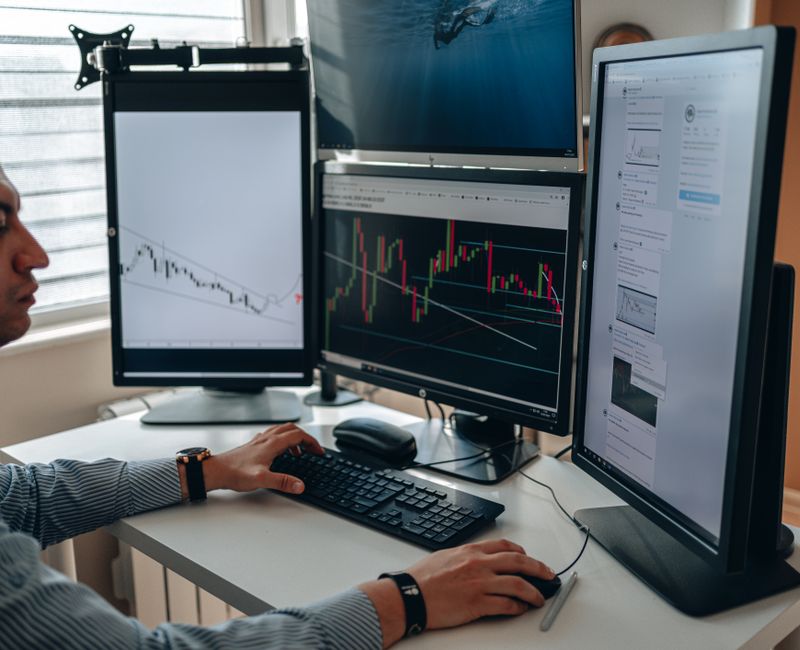
Recognizing Market Conditions
Market dynamics frequently change, and certain conditions may favor traditional trading. For example, during periods of high volatility or unexpected news events, having a human touch allows for quick adjustments based on real-time information. Automated systems, while efficient, may struggle to adapt swiftly to sudden market shifts.
Risk Management Considerations
Lastly, consider your risk management approach. Automated backtesting can help identify potential risks by analyzing historical data, but it cannot account for unforeseen events. In contrast, traditional trading allows you to be more adaptive and responsive to risks as they arise, potentially safeguarding against significant losses.
The choice between traditional trading and automated backtesting should be driven by your strategy's needs and the current market landscape.— TradeGenius Team
Final Thoughts on Trading Strategies
In the ever-evolving landscape of trading, making informed decisions about when to prioritize traditional trading methods over automated backtesting is crucial. While automated backtesting offers numerous advantages, including efficiency and precision, there are moments when the human touch of traditional trading can outshine automated processes. Leveraging your intuition, market sentiment, and real-time data can provide insights that algorithms may overlook. The ability to adapt your strategy on the fly in response to market fluctuations is a unique strength of traditional trading.
Ultimately, the key lies in understanding the strengths and weaknesses of each approach. By combining both traditional and automated methods, traders can create a versatile strategy that maximizes their potential for success. Whether you choose to automate or engage in manual trading, embracing the right tools and techniques will empower you to navigate the complexities of the market with confidence.