
Understanding the Divide: Backtesting versus Automated Trading
In the fast-paced world of trading, the distinction between backtesting and automated trading is crucial for both novice and seasoned traders. Backtesting is the process of testing a trading strategy against historical data to evaluate its viability. It's a valuable tool for understanding how a strategy would have performed in different market conditions. However, while backtesting provides insights based on past performance, it does not execute trades for you; that's where automated trading comes in.
Automated trading systems take the analysis a step further by executing trades based on predefined criteria without human intervention. This can significantly reduce emotional decision-making and increase efficiency. Yet, the real power lies in the combination of both methods, as traders can use backtesting to refine their strategies before letting automation take over. The implications of these two approaches can greatly affect your trading success, making it essential to grasp their differences.
Understanding both backtesting and automated trading is vital for effective strategy development.— Expert Trader
Understanding Backtesting and Its Role in Trading
Backtesting is the process of evaluating a trading strategy by applying it to historical market data. This technique allows traders to assess the viability of their strategies before risking real capital. By simulating trades based on past performance, traders can identify potential weaknesses and make necessary adjustments.
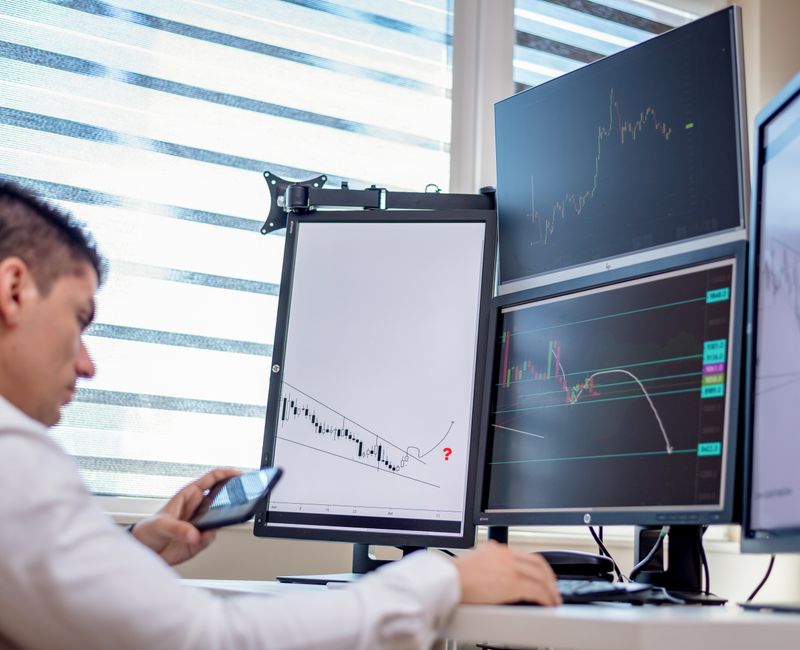
The significance of backtesting lies in its ability to provide empirical evidence regarding a strategy's effectiveness. Traders can determine metrics such as the win rate, average profit per trade, and drawdown levels. This data is invaluable for refining strategies and increasing the likelihood of success in live trading.
Automated Trading: A Step Beyond Backtesting
Automated trading takes the insights gained from backtesting and implements them in real-time market conditions without human intervention. Unlike backtesting, which is retrospective, automated trading operates in the present, executing trades based on predefined criteria. This system reduces emotional bias, ensuring that trades are executed as planned.
Backtesting provides the blueprint; automated trading brings it to life.
In essence, backtesting serves as a critical foundation for developing trading strategies, while automated trading leverages these insights for real-world execution. Understanding both concepts is essential for traders who wish to optimize their approach and enhance their trading performance.
Understanding Backtesting and Automated Trading
Backtesting and automated trading are two fundamental concepts in the trading landscape, yet they serve distinct purposes and have different implications for traders. Backtesting involves applying a trading strategy to historical market data to assess its effectiveness. This process allows traders to evaluate how a strategy might have performed in the past, providing valuable insights into its potential future performance.
Practical Applications of Backtesting
For instance, a trader may develop a strategy based on technical indicators, such as moving averages. By backtesting this strategy against several years of historical data, the trader can identify its success rate, optimal parameters, and drawdowns. This analytical approach helps traders refine their strategies before committing real capital, minimizing the risk of loss.
The Role of Automated Trading
On the other hand, automated trading leverages algorithms to execute trades based on predefined criteria without human intervention. This method enhances efficiency and speed, particularly in fast-paced markets. For example, a trader could input a strategy into a platform like TradeGenius, where the AI executes trades in real-time as market conditions align with the criteria set by the trader.
Backtesting informs strategy; automated trading executes it seamlessly.
Ultimately, while backtesting provides a crucial foundation for strategy validation, automated trading brings that strategy to life, executing trades based on the trader’s specifications. Understanding these differences is vital for traders looking to optimize their trading approaches.
Avoiding Common Missteps in Automated Trading
Automated trading can be a powerful tool, but it's essential to be aware of potential pitfalls that can undermine your trading success. One of the most critical mistakes traders make is misinterpreting their strategies. Simply typing a strategy in plain English does not guarantee its effectiveness. Always ensure that your strategy is grounded in sound trading principles and not based solely on emotions or market hype.
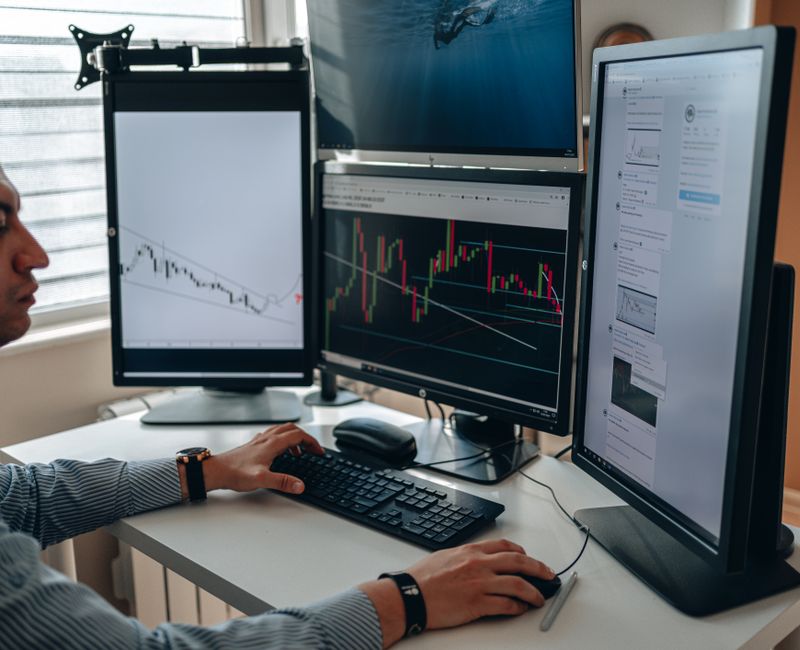
Another common error is neglecting ongoing strategy evaluation. Automated systems can execute trades based on predefined parameters, but market conditions are dynamic. Regularly reviewing and adjusting your strategies is crucial to adapt to shifting market environments.
Key Considerations for Successful Automated Trading
- Understand that past performance does not ensure future results.
- Clearly define your risk tolerance and incorporate it into your strategies.
- Be cautious of over-optimizing strategies based on historical data, which can lead to curve fitting.
Automated trading should not be a 'set it and forget it' approach. Continuous monitoring is essential to maintain effectiveness.
Lastly, emotional detachment is crucial. While automated trading aims to minimize emotional decision-making, traders must still maintain awareness of their psychological biases. Understand how emotions can influence your strategy development and make every effort to remain objective.
Automated trading can enhance efficiency, but it requires discipline and ongoing evaluation to be truly effective.— TradeGenius Expert
Embrace Effortless Trading Today
In conclusion, the distinction between backtesting and automated trading lies in their functionalities and applications. While backtesting is a crucial step for refining strategies based on historical data, automated trading takes it a step further by executing trades seamlessly based on those strategies. TradeGenius empowers you to bridge this gap effortlessly. By transforming your trading ideas into automated executions, you eliminate the emotional barriers and complexities often associated with trading.
This not only enhances your trading efficiency but also allows you to focus on what truly matters—growing your portfolio. With our user-friendly interface, you can easily articulate your strategies in plain English, ensuring that you spend less time on the mechanics and more on achieving your financial goals.
Turn your trading strategies into action effortlessly.
Don't miss out on the opportunity to revolutionize your trading experience. Join the growing community of traders who are already using TradeGenius to streamline their trading processes and achieve success without the hassle.